Understanding TradingView: A Comprehensive Overview
In the rapidly evolving world of trading, having the right tools at your disposal can be the difference between success and failure. One of the most robust platforms available today is TradingView, which empowers traders and investors to conduct in-depth market analysis and make informed decisions. This article will explore the core features of TradingView, its benefits across various asset classes, and how to maximize the platform for your trading strategies.
What is TradingView and Its Core Features?
TradingView is a web-based charting platform that offers a multitude of tools for technical analysis, social trading, and market research. With its advanced charting capabilities, users can visualize price movements of stocks, forex, cryptocurrencies, and other financial instruments in real-time. Its intuitive interface allows both novice and experienced traders to customize their experience, making it suitable for diverse trading strategies.
- Multi-Asset Compatibility: TradingView supports stocks, forex, cryptocurrencies, and derivatives, allowing users to analyze various markets from a single platform.
- Customizable Charting Tools: Users can employ various indicators, drawing tools, and chart types, enabling tailored analysis that fits individual trading styles.
- Community Insights: The platform provides a social network for traders, facilitating the sharing of ideas and strategies, which can enhance learning and collaboration.
- Real-Time Alerts: Traders can set up alerts for price movements, technical indicators, and fundamental events, ensuring they never miss critical market changes.
How TradingView Enhances Market Research
Conducting market research is crucial for successful trading, and TradingView streamlines this process with a comprehensive suite of analytical tools. From heat maps that showcase market performance at a glance to screeners that filter securities based on predefined criteria, traders have the resources they need to make data-driven decisions.
Additionally, the integration of economic calendars allows users to stay updated on market-moving events, ensuring they can adjust their strategies accordingly. The platform also enables backtesting with historical data, helping traders assess the viability of their strategies before engaging in live trades.
The Benefits of Using TradingView for Different Asset Classes
TradingView’s extensive features cater to various asset classes, making it an ideal choice for traders interested in stocks, forex, or cryptocurrencies. Here’s how it enhances the trading experience across these domains:
- Stocks: Users can track stock performance, analyze trends, and examine financial reports within the platform, providing a holistic view of potential investments.
- Forex: The platform offers advanced tools for forex traders, including currency pair analysis and economic indicators that influence exchange rates.
- Cryptocurrencies: With 24/7 market access, TradingView is well-suited for monitoring volatile crypto markets, enabling traders to capitalize on price swings and developments.
Getting Started with TradingView
For newcomers, setting up TradingView is straightforward. The platform offers free and paid subscription options, allowing users to choose based on their needs. The following sections will guide you through establishing your account and customizing the interface for your unique trading needs.
Setting Up Your TradingView Account
To begin using TradingView, visit their website and create an account. The free tier offers robust functionality, which is ideal for beginners. Once registered, you can explore the features without any financial commitment. As you grow more proficient and require advanced tools, consider upgrading to one of the paid tiers for additional functionalities, including more indicators and alerts.
Exploring the TradingView Interface
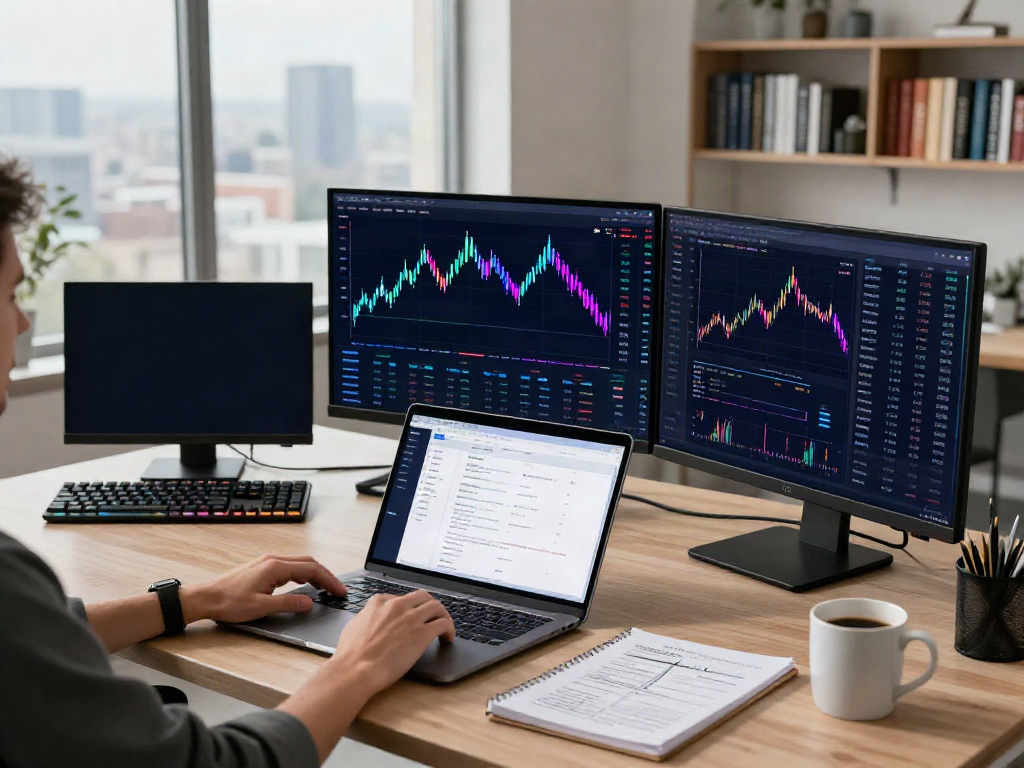
The TradingView interface is user-friendly, featuring a clean layout that emphasizes functionality. The main dashboard includes various components such as charting tools, watchlists, news feeds, and social community features. Familiarizing yourself with these components is crucial for effective navigation and utilization of the platform.
Customizing Your Workspace for Optimal Use
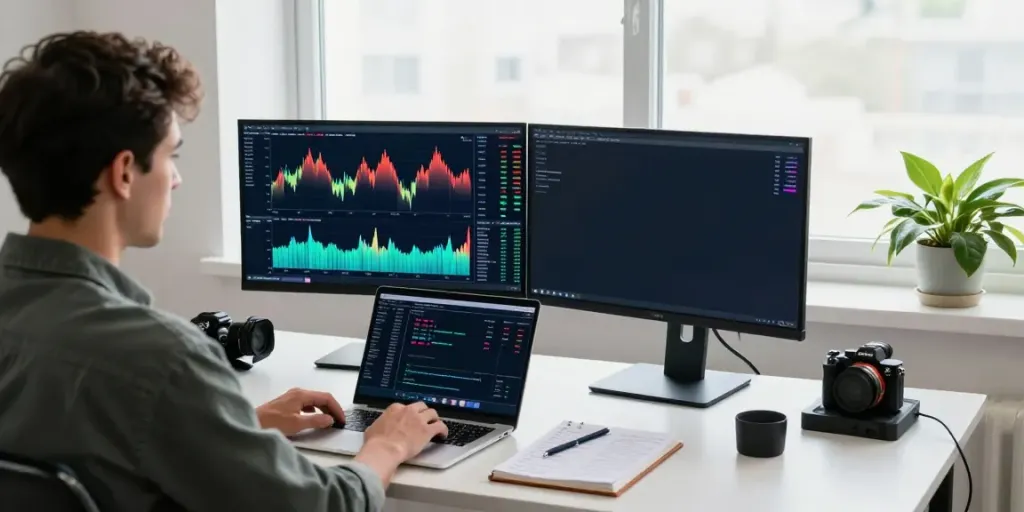
One of the standout features of TradingView is the ability to customize your workspace. Users can rearrange panels, add or remove chart types, and integrate preferred tools for a more efficient analysis experience. Setting up multiple chart layouts allows users to monitor various assets simultaneously, enhancing their trading strategies.
Developing Effective Trading Strategies Using TradingView
TradingView is not just a charting tool; it's a comprehensive environment for developing, testing, and refining trading strategies. The following sections discuss how to leverage TradingView’s features effectively in your strategic planning.
Utilizing Pine Script for Custom Indicators
Pine Script is the proprietary programming language used by TradingView, enabling users to create custom indicators and strategies. Beginners can start with simple scripts, while advanced users can develop complex algorithms tailored to their trading styles. The ability to backtest these strategies within the platform ensures that users only deploy strategies with proven effectiveness.
Incorporating Alerts and Notifications in Your Trading Plan
Setting alerts for specific criteria is vital when managing trades. TradingView's alert system allows users to receive notifications via email or the app when certain market conditions are met. This feature helps traders act quickly and efficiently, ensuring they capitalize on market opportunities without having to constantly monitor charts.
Backtesting Strategies with TradingView's Tools
Backtesting is a critical step in validating trading strategies. TradingView provides historical data that can be used to simulate trades based on past market conditions. This functionality helps traders assess potential performance and identify weaknesses in their strategies before risking real capital.
Maximizing TradingView for Different Markets
To dominate in multiple markets, traders must adapt their techniques accordingly. Below are methods to maximize TradingView's utility for specific asset classes.
Adapting Trading Techniques for Stocks, Forex, and Crypto
Different markets require tailored approaches. For instance, stock traders might prioritize earnings reports and financial health, whereas forex traders should focus on economic indicators and geopolitical events. Similarly, cryptocurrency traders must stay attuned to innovations and regulatory changes that influence market sentiment.
Integrating Fundamental and Technical Analysis
A robust trading strategy incorporates both fundamental and technical analysis. TradingView’s diverse tools enable users to juxtapose fundamental data like earnings and economic indicators with technical charts, providing a more comprehensive view of market dynamics.
Monitoring Market Trends with TradingView Tools
TradingView offers real-time data and insights into market trends, which are crucial for strategic trading decisions. Traders can utilize heat maps, sector performance indicators, and community insights to stay ahead of market movements, allowing them to adapt their strategies accordingly.
Future Trends in TradingView and Beyond
As we look ahead to 2026, TradingView is poised to further revolutionize the trading experience. Keeping an eye on anticipated developments is essential for traders wanting to leverage future enhancements.
Anticipated Developments for TradingView in 2026
Up-and-coming features may include enhanced AI-driven analytics, more advanced machine learning algorithms for predictive modeling, and expanded community engagement tools. These innovations will likely facilitate deeper insights and more collaborative trading environments, empowering users to make more informed decisions.
How TradingView Stays Competitive in the Trading Ecosystem
With increasing competition from various trading platforms, TradingView maintains its edge by focusing on user experience and continuous innovation. Regular updates, user-feedback integration, and community-driven features help it stay relevant and effective.
Community Insights: Leveraging Shared Strategies
The TradingView community feature allows users to share their ideas, strategies, and analyses. Engaging with these insights can provide fresh perspectives and enhance personal strategies by learning from fellow traders' experiences.
What is TradingView Pricing Like?
TradingView offers a tiered pricing structure, with a free version that includes essential tools and paid plans offering upgraded features, such as more indicators, alerts, and ad-free browsing. The pricing is competitive, especially considering the extensive functionalities provided.
Can You Make Money Using TradingView?
While TradingView itself is not a trading platform, it provides valuable tools and insights that can lead to better trading outcomes. Users who leverage its features effectively often report improved analysis and decision-making, which can result in profitability.
How Reliable is TradingView for Serious Traders?
TradingView is recognized as a reliable platform for serious traders, offering a robust framework for analysis and strategy development. Its comprehensive tools, real-time data, and community engagement make it a go-to resource for traders looking to enhance their performance.