Understanding the Importance of a Micro Trauma Kit
In situations where every second counts, having immediate access to essential medical supplies can mean the difference between life and death. A Micro Trauma Kit is designed to provide compact and efficient emergency response capabilities for various scenarios, making it an indispensable tool for outdoor enthusiasts, emergency responders, and everyday citizens alike. With advances in technology and medical practices, understanding the components and uses of these kits is essential for preparedness.
What Is a Micro Trauma Kit?
A Micro Trauma Kit is a compact first-aid kit specifically tailored to address traumatic injuries, such as lacerations, gunshot wounds, or severe bleeding. These kits are typically portable, allowing them to be easily carried in backpacks, cars, or on person, making them accessible during emergencies. They include a selection of medical supplies that are crucial for immediate care until professional medical help arrives.
Key Components of an Effective Kit
To maximize the effectiveness of a Micro Trauma Kit, certain key components should always be included:
- Hemostatic agents: Used to control severe bleeding.
- Dressings and bandages: Essential for covering wounds and preventing infections.
- Tourniquets: Critical for managing limb injuries where bleeding is profuse.
- Trauma shears: Useful for cutting clothing or bandages in emergencies.
- Chest seals: Important for treating penetrating chest injuries.
- Emergency blanket: Helps maintain body temperature in shock situations.
Real-life Applications and Benefits
The real-life applications of Micro Trauma Kits are numerous, ranging from outdoor adventures to urban emergencies. For example, hikers and campers often find themselves in remote areas where access to professional medical help is delayed. Having a Micro Trauma Kit enables them to respond effectively to injuries sustained while engaging in thrilling activities, such as rock climbing or mountain biking. Additionally, individuals in urban settings may rely on these kits during natural disasters or mass casualty events, where traditional emergency services may be overwhelmed. By equipping oneself with a Micro Trauma Kit, individuals can enhance their safety and the safety of those around them.
Choosing the Right Micro Trauma Kit for Your Needs
When selecting a Micro Trauma Kit, it's vital to consider personal needs and circumstances. Many options are available on the market, each designed to cater to specific users and environments. In this context, exploring options like the Micro Trauma Kit can provide comprehensive insights into what features are most beneficial for your particular situation.
Assessing Different Kit Options Available
Micro Trauma Kits come in various sizes and configurations, making it necessary to assess what will best meet your needs. Some kits are specifically designed for home use, while others are engineered for portability, ensuring they can be easily carried during outdoor activities. Key considerations include the types of injuries most likely to occur in your specific environment and the level of training you have in utilizing the supplies contained within the kit.
Customization Based on Environment and Activity
Customization of your Micro Trauma Kit is crucial based on your specific environment and activities. For example, if you frequently hike in remote areas, your kit should include additional supplies like snake bite kits or specialized dressings that can aid in treating outdoor-related injuries. Conversely, if you’re in a heavily populated urban area, consider including items that address injuries related to urban settings, such as ballistic injuries or severe lacerations.
Evaluating Quality and Reliability Factors
The quality and reliability of the components within your Micro Trauma Kit are paramount. Evaluation of the manufacturers and the materials used in the kit will provide insight into its effectiveness in emergency situations. Always opt for reputable brands that are known for their durable and reliable medical supplies to ensure that you can depend on your kit when it matters most.
Best Practices for Storing and Maintaining Your Kit
Once you have acquired your Micro Trauma Kit, proper storage and maintenance are vital for ensuring its readiness for use in emergencies. Here are some best practices to consider:
Optimal Storage Locations for Quick Access
Finding the right storage location for your kit is essential for quick access during emergencies. Consider placing your kit in easily accessible places, such as your car glove compartment, a designated area in your home, or even in your workplace. The key is to ensure that it is in a location that you can reach swiftly if an emergency arises.
Regular Maintenance and Inventory Checks
Conducting regular maintenance on your Micro Trauma Kit is crucial. This includes checking expiration dates on items, replenishing supplies used, and ensuring that all components are in good working condition. Schedule routine inventory checks to maintain an up-to-date kit so that it remains effective during emergencies.
How to Educate Users on Proper Kit Use
Educating yourself and others on the proper use of the contents of your Micro Trauma Kit is paramount. Consider participating in first-aid courses or workshops that focus on trauma response. This education can take the form of organized training sessions or online courses, which can equip you with the necessary skills to act efficiently in an emergency.
Training and Preparedness with Micro Trauma Kits
Understanding the importance of training and preparedness in utilizing Micro Trauma Kits can significantly enhance your ability to respond effectively in an emergency. Here are some key considerations:
Essential Training Techniques for First Responders
For first responders, having comprehensive training on the use of a Micro Trauma Kit is essential. Training should cover various scenarios, including how to manage severe bleeding, the proper application of tourniquets, and how to conduct trauma assessments. This knowledge empowers responders to act decisively and effectively when every second counts.
Community Preparedness Programs and Initiatives
Engaging with community preparedness programs can help foster awareness and proficiency in emergency response. Many organizations offer training sessions for citizens to learn about first aid and emergency preparedness, equipping them with the skills required to assist others in crises.
Simulated Scenarios: Practice Makes Perfect
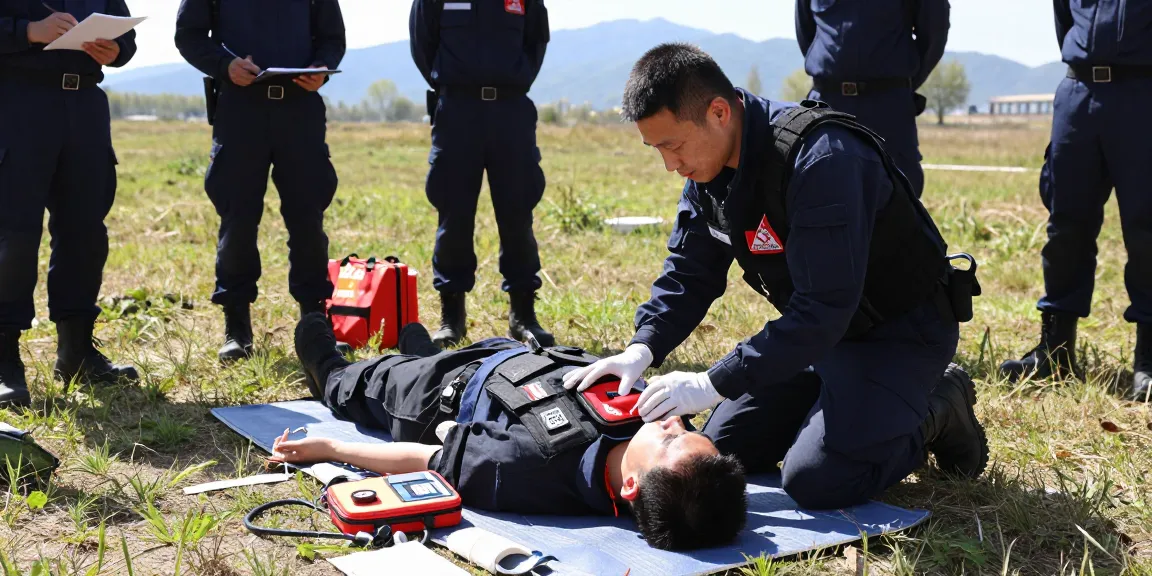
Practicing simulated scenarios is an effective way to ensure preparedness for real-life emergencies. Conducting mock drills with your Micro Trauma Kit, whether at home or in a community setting, can reinforce skills and build confidence. This practice allows participants to familiarize themselves with the contents of the kit and the procedures for using them in emergencies.
Future Trends in Micro Trauma Kits for 2026 and Beyond
As technology continues to evolve, so too will the design and functionality of Micro Trauma Kits. Here are some emerging trends that are likely to shape these kits in the near future:
Innovative Technologies in Trauma Care
The integration of innovative technologies, such as smart sensors and mobile applications, can enhance the effectiveness of Micro Trauma Kits. These advancements may enable users to receive real-time feedback on their actions or prompt them to take specific steps based on the nature of the injury.
Emerging Best Practices in Emergency Response
Emerging best practices in emergency response will likely emphasize the need for personalized kits tailored to individual needs and environments. As more data becomes available on trauma responses, customization based on the latest research will allow users to be even better prepared.
Predictions for Micro Trauma Kit Evolution
In the next few years, Micro Trauma Kits are expected to evolve significantly, not only in terms of components but also in their accessibility and usability. With greater public awareness surrounding the importance of trauma preparedness, it is likely that these kits will become a standard inclusion in more households and workplaces.
What should I include in a personal Micro Trauma Kit?
Every personal Micro Trauma Kit should contain essential items such as bandages, antiseptic wipes, gauze, a tourniquet, and hemostatic agents. Tailoring the kit to your specific needs based on activities and potential hazards is also essential.
How can I effectively use a Micro Trauma Kit in an emergency?
To effectively use a Micro Trauma Kit in an emergency, familiarize yourself with its contents and practice using each item. During an emergency, remain calm, assess the situation, and use the appropriate supplies from your kit to address the injuries sustained.
What are the common misconceptions about Micro Trauma Kits?
Many people mistakenly believe that Micro Trauma Kits are only necessary for outdoor activities. In reality, these kits are invaluable in urban settings, workplaces, and homes, serving as a critical safety resource in various scenarios.
How often should I replace items in my Micro Trauma Kit?
It is advisable to review and replace items in your Micro Trauma Kit every six months or sooner if any items have been used or expired. Regular checks will ensure that your kit remains effective and ready for emergencies.
Where can I find training on using a Micro Trauma Kit?
Training on using a Micro Trauma Kit can often be found through local community centers, hospitals, or online platforms. Many organizations offer first-aid courses that include specific training on trauma care.