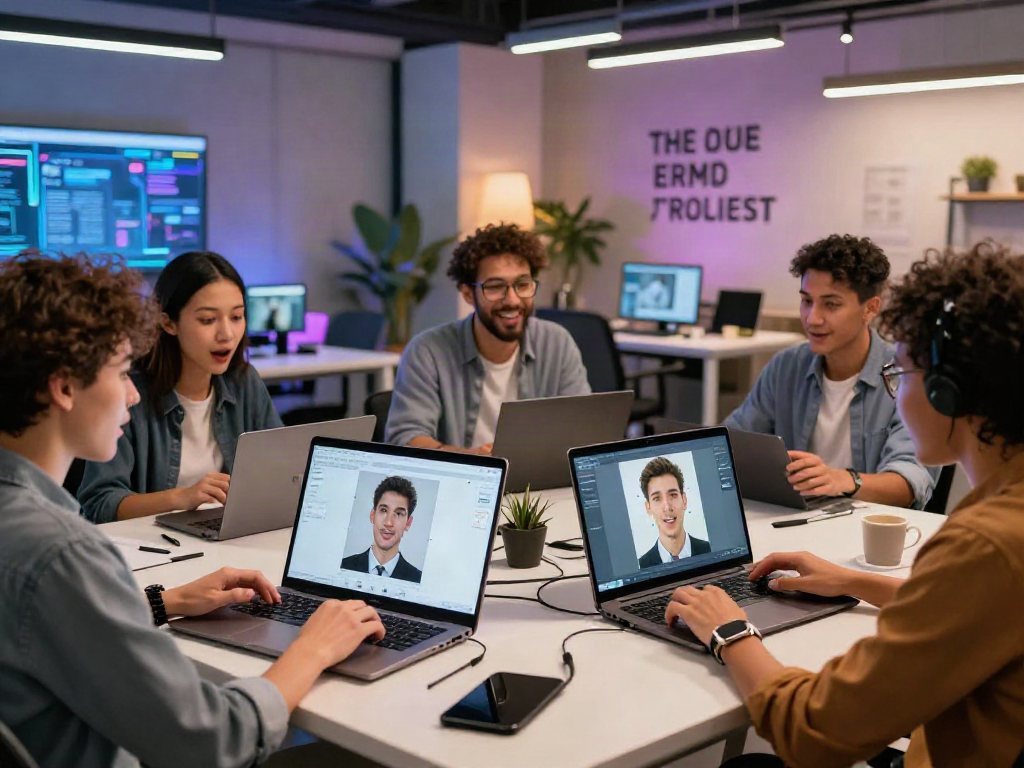
Understanding Facial Age Estimation Technology
Facial age estimation technology has gained remarkable popularity in recent years, captivating individuals and businesses alike with its ability to analyze facial features and predict perceived age. This fascinating intersection of technology and human appearance not only satisfies our curiosity about how old we look but also serves various practical applications. As we delve deeper into the mechanics and advantages of these tools, we’ll uncover their intriguing capabilities and how they are shaping the future of beauty and wellness. When exploring options, how old do I look provides comprehensive insights into this phenomenon.
What Is Facial Age Estimation?
Facial age estimation involves the use of advanced algorithms and artificial intelligence (AI) to assess a person's facial features and predict their perceived age. By analyzing characteristics such as skin texture, wrinkles, and facial contours, these technologies can generate an estimate of how old someone appears. Unlike the biological age, which is determined by the actual number of years lived, perceived age can be influenced by a multitude of factors, including genetics, lifestyle, and skincare routines.
How Does AI Analyze Your Facial Features?
The process of age estimation begins with the collection of data through images. AI uses machine learning techniques to process these images by identifying and evaluating various facial features. Key indicators such as skin conditions (e.g., wrinkles, pigmentation), facial structure, and even expressions contribute significant data points. Through training on large datasets containing images of individuals at different ages, AI models learn to predict age with increasing accuracy.
Common Algorithms Used in Age Estimation
There are several algorithms employed in facial age estimation, each with unique methods and approaches:
- Convolutional Neural Networks (CNNs): These deep learning models are particularly effective for image classification tasks, including age estimation. They excel in feature extraction from facial images.
- Support Vector Machines (SVMs): SVMs can be trained on extracted features to classify images into different age categories, offering good performance with smaller datasets.
- Random Forests: This ensemble learning method combines multiple decision trees to improve the accuracy of age predictions by analyzing various features simultaneously.
Benefits of Using Age Estimation Tools
Utilizing age estimation tools can offer numerous benefits, ranging from personal insights to business applications. Understanding these advantages can help users appreciate the technology’s value and potential.
Accuracy and Reliability of Results
Modern age estimation tools are designed to deliver highly accurate results, often boasting accuracies exceeding 85% in optimal conditions. The quality of the input photo, combined with sophisticated algorithms, ensures that results are reliable. Many platforms validate their systems by comparing predicted ages against the actual ages of users, reinforcing trust in their technology.
Fun and Engaging User Experience
Aside from the scientific aspect, using age estimation tools can be an enjoyable experience. Users often share their results on social media, sparking conversation and engagement. This fun element can encourage people to experiment with different images, further highlighting the instantaneous feedback nature of these applications.
Privacy Considerations in Age Estimation
While the technology is compelling, users should remain aware of privacy concerns. Most reputable platforms prioritize user privacy by implementing robust data protection measures. Before uploading images, it’s advisable for users to review privacy policies to understand how their data will be handled and whether it will be stored or shared.
Best Practices for Uploading Your Photo
To achieve the most accurate results from age estimation tools, users should follow best practices when uploading their photos. The outcome can significantly depend on the quality and context of the image submitted.
Choosing the Right Photo for Accurate Results
For the best age estimation results, select a recent, high-resolution photo where your face is clearly visible. Avoid photos with sunglasses, hats, or heavy makeup, as these can obscure key facial features that AI relies on for analysis.
Environment and Lighting: What Matters?
Good lighting is crucial for facial analysis. Natural light is optimal since it reveals skin tone and features more accurately. Avoid dim lighting or harsh shadows that can distort your facial characteristics and affect the estimate.
Common Mistakes to Avoid When Submitting Photos
Some common pitfalls to watch out for include:
- Using outdated photos that don't reflect your current appearance.
- Submitting low-quality images that lack clarity or resolution.
- Choosing images with obstructions (e.g., other people, objects) that may complicate the analysis.
Real-World Applications of Age Estimation
The utilization of facial age estimation technology transcends mere curiosity; it has various applications across different sectors, including marketing, wellness, and entertainment.
How Businesses Use Facial Age Data
Companies often leverage age estimation tools to refine their marketing strategies. By understanding the perceived age of their target audience, businesses can tailor campaigns that resonate more effectively with their consumers. For example, a cosmetics brand may direct its products towards a demographic that appears younger but seeks anti-aging solutions, adjusting its messaging accordingly based on age data.
Social Media Trends Utilizing Age Estimation
Social media platforms have also seen a surge in age estimation trends, often encouraging users to share results as part of fun challenges. These trends not only engage users but also provide brands with insights into consumer behavior and preferences based on age demographics.
Personal Use Cases: Fun and Practical Applications
Many individuals simply enjoy using age estimation tools for entertainment. It can serve as a fun party game or a lighthearted way to guess the age of friends and family. Furthermore, these tools can also assist in personal wellness assessments, motivating users to adopt healthier lifestyles that may improve their facial aesthetics.
The Future of Age Estimation Technology
As we look ahead, the field of facial age estimation technology is poised for exciting advancements. With continuous evolution in AI and machine learning, the future holds promising prospects for this innovative tool.
Trends to Watch in 2026 and Beyond
One emerging trend is the integration of augmented reality (AR) with age estimation technology. Users may soon be able to visualize their perceived age in real-time on their devices, allowing for interactive experiences. Additionally, the personalization of results will likely improve as AI models become more sophisticated, taking into account individual genetics and lifestyle factors.
Potential Advances in AI and Machine Learning
Future advancements in deep learning models will enable age estimation systems to become more nuanced, potentially adapting to various ethnicities and skin types. This inclusivity will lead to more accurate assessments across diverse populations and cater to a more global audience.
Ethical Considerations in Facial Analysis Technology
With great power comes great responsibility. As facial analysis technology evolves, ethical concerns regarding consent, privacy, and data usage will continue to emerge. Stakeholders must initiate conversations surrounding these technologies to establish guidelines that prioritize ethical standards while maximizing benefits.
Frequently Asked Questions
How accurate is the age estimation from photos?
Age estimations are generally accurate within a few years but can vary based on factors like photo quality and the algorithms used. High-quality images yield better results.
Can I trust the privacy of my images?
Yes, reputable age estimation platforms prioritize user privacy and typically employ strong security measures to protect uploaded images.
Are there alternatives to photo uploads for age estimation?
Some apps offer quiz-based alternatives where users can answer questions about their appearance and lifestyle to get an estimated age, though image analysis is often more accurate.
What factors affect how old do I look results?
Factors include genetics, skincare, lifestyle choices (like sun exposure and smoking), and the quality of the image uploaded.
How does AI determine age differences in diverse populations?
AI models are trained on diverse datasets to recognize age-related features across different ethnicities, enhancing accuracy in diverse populations.