Understanding the Phenomenon of Celebrity Lookalikes
The fascination with celebrity lookalikes has swept across pop culture, inviting intrigue and speculation about the uncanny resemblance between various stars. From social media buzz to professional impersonations, the world is captivated by celebrities that look alike. This article delves into the psychology, cultural impact, and business potential surrounding these doppelgängers, exploring what makes them so compelling to fans around the globe.
What Are Celebrity Lookalikes?
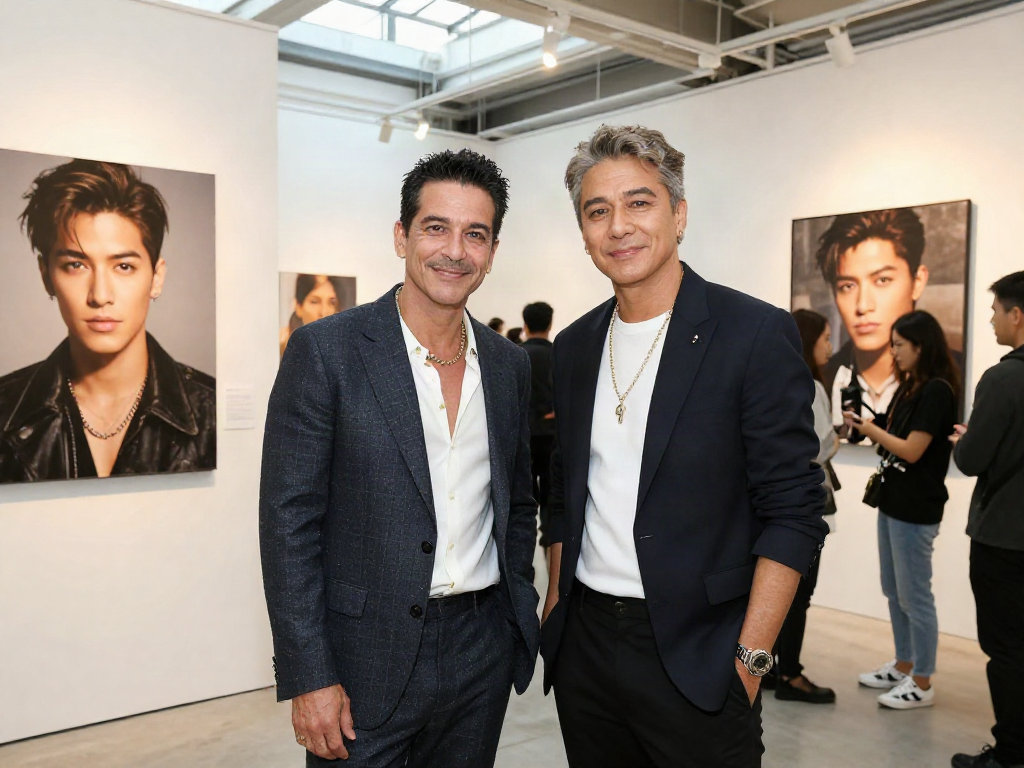
Celebrity lookalikes, often referred to as doppelgängers, are public figures who bear remarkable physical similarities to one another. This phenomenon spans various industries, including film, music, and television, creating a visual tapestry of shared features and styles. While some individuals may have been born with these similarities, others become lookalikes through makeup, fashion choices, or impersonation. This duality presents a unique opportunity for analysis and appreciation, as fans marvel at how closely some stars resemble each other.
The Psychology Behind Doppelgängers
The mystery of doppelgängers extends beyond mere physical resemblance; it taps into psychological aspects that resonate with audiences. People often project their feelings onto others, and when two celebrities look alike, this can amplify feelings of familiarity or affection. Moreover, seeing celebrities that share similar features may encourage fans to draw comparisons in their personalities or careers, leading to a richer discussion about identity within the celebrity ecosystem. Understanding this phenomenon can reveal deeper insights into societal beauty standards and preferences.
Famous Examples of Celebrities That Look Alike
There are countless examples of celebrities whose appearances spark debates about their unique likenesses. Sarah Hyland and Mila Kunis are a notable pair that often confound fans, while others like Katy Perry and Zooey Deschanel regularly elicit surprise due to their similar looks. The striking resemblance between actors such as Matt Bomer and Henry Cavill has also led to much online discussion. These examples create a fertile ground for social media interactions, memes, and even fan theories about their connections and backgrounds.
Identifying Celebrities That Look Alike
Methods to Spot Lookalikes
Identifying celebrities that look alike can be both fun and challenging. Various methods can enhance this experience, from using side-by-side photo comparisons to referencing pop culture databases that catalog these likenesses. Fans often engage in discussions on platforms like Reddit and Twitter, sharing their insights and observations about the doppelgängers they encounter. This participatory culture not only fuels interest but also enhances community engagement across multiple social platforms.
Tools and Technologies for Celebrity Comparisons
With the rise of technology, several tools have emerged to help pinpoint celebrity lookalikes. Applications that analyze facial features and similarities can compare images in seconds, providing users with instant answers. Additionally, machine learning algorithms analyze vast databases of celebrity images to identify potential lookalikes. These advancements make it easier than ever for fans to explore the world of doppelgängers, turning casual curiosity into engaging activities.
Social Media's Role in Highlighting Lookalikes
Social media platforms play a pivotal role in bringing celebrity lookalikes to the foreground. From viral posts showcasing side-by-side images to dedicated fan pages celebrating doppelgängers, these platforms facilitate a vibrant conversation. Hashtags like #CelebrityLookalikes and #DoppelgangerChallenge allow users to share their findings and opinions seamlessly. This interaction fosters a community where the exploration of these lookalikes becomes a shared social experience.
Celebrity Doppelgängers in Pop Culture
Impact on Media and Entertainment
The presence of celebrity lookalikes has a profound impact on the media and entertainment industry. Films and television shows often capitalize on this phenomenon, employing lookalikes for humor or creative storytelling. For instance, comedies might feature a doppelgänger character for comedic effect, while dramatic narratives can explore themes of identity and perception. This usage approaches the idea of duality in human nature, prompting audiences to reflect on their own identities.
How Lookalikes Influence Fashion Trends
Fashion trends often mirror celebrity influences, and the emergence of lookalikes adds another layer to this dynamic. When two celebrities with similar styles engage in public appearances, they can inadvertently shape trends together. For example, the choices made by celebs like Gigi Hadid and Kendall Jenner can lead fans to adopt similar outfits or hairstyles, fueled by the excitement of seeing their favorite stars being compared. This cyclical influence continues to evolve, demonstrating the impact of visual similarities on popular culture.
Lookalikes in Advertising Campaigns
Advertising agencies also leverage the concept of celebrity lookalikes to pique interest and engage consumers. By featuring doppelgängers in commercials, brands can create memorable advertisements that resonate with audiences. For example, a new beverage might use a famous lookalike to appeal to consumers' nostalgia and familiarity, helping to build brand recognition. This strategic approach has resulted in various successful campaigns, proving the effectiveness of lookalikes in marketing strategies.
The Business of Celebrity Lookalikes
Monetizing the Doppelgänger Phenomenon
The business of celebrity lookalikes is thriving, with numerous avenues for monetization emerging in recent years. Professional impersonators often perform at events, parties, or even corporate functions, capitalizing on their resemblance to popular stars. Additionally, unique merchandise featuring lookalike representations provides further revenue streams. This represents an evolving business model that emphasizes the allure and fascination surrounding celebrity culture.
Celebrity Impersonations and Their Popularity
Celebrity impersonators have long been part of entertainment culture. From tribute bands to social media influencers, these performers draw crowds and create memorable experiences. Their popularity is often tied to the successful replication of mannerisms and looks, prompting audiences to engage with the experience on both emotional and visual levels. As the allure of celebrity culture continues to expand, so too does the demand for skilled impersonators across various platforms.
Legal Considerations for Lookalike Businesses
While the business of celebrity lookalikes can be lucrative, it also involves navigating complex legal landscapes. Issues surrounding copyright and trademark laws can arise, particularly when lookalikes are featured in commercial capacities. Understanding these legalities is crucial for businesses operating in this space, ensuring compliance while maximizing engagement and profitability. As this market continues to grow, legislation may evolve to address these challenges more explicitly.
Future Trends in Celebrity Lookalikes
Emerging Technologies and Deepfakes
Looking ahead, emerging technologies like deepfakes are set to further transform the landscape of celebrity lookalikes. These advancements allow for the creation of hyper-realistic portrayals of celebrities, blurring the lines between reality and digital recreation. While this presents exciting opportunities for creative expression, it also raises ethical questions about authenticity and consent in representation. As technology continues to evolve, fans and creators alike will need to navigate these complexities carefully.
How AI is Changing the Lookalike Landscape
Artificial intelligence is poised to reshape the way we perceive and identify celebrity lookalikes. With AI algorithms capable of analyzing thousands of images, finding likenesses can happen in mere seconds. This innovation not only enhances the user experience for fans but also opens new avenues for creators to explore. As AI tools become more accessible, we can expect to see a proliferation of applications dedicated to identifying and cataloging celebrity lookalikes.
Predictions for Celebrity Culture in 2026 and Beyond
As we progress into 2026 and beyond, we can anticipate further growth in the fascination with doppelgängers. This trend will likely influence the entertainment industry, social media interactions, and even celebrity branding strategies. The cyclical nature of celebrity culture means that new lookalikes will emerge, making their mark on public consciousness and redefining the celebrity landscape. Audiences will continue to seek connection through these likenesses, fueling a desire to explore and celebrate the shared aspects of fame.
What Fans Are Saying About Lookalikes?
Fans are increasingly vocal about their admiration for celebrity lookalikes, sharing opinions and insights across various platforms. Online forums and social media frequently host discussions centered around perceived similarities, with some even launching polls to gauge public sentiment. This engagement fosters a sense of community, as fans come together to discuss their favorite pairs and explore the narratives that accompany them. The excitement generated by these conversations continues to drive the popularity of doppelgängers.
Can Lookalikes Impact Celebrity Careers?
Yes, celebrity lookalikes can significantly impact the careers of both the lookalikes themselves and the stars they resemble. For those in the impersonation industry, achieving a following can lead to lucrative opportunities and collaborations. Furthermore, when public figures are associated with a particular doppelgänger, it can influence their branding and marketing strategies. The interplay between lookalikes and their celebrity counterparts creates a unique dynamic that shapes perceptions and career trajectories.
What Makes a Great Celebrity Lookalike?
A great celebrity lookalike possesses several key characteristics: a striking resemblance to the famous individual, an understanding of their mannerisms, and the ability to engage with audiences effectively. The combination of these traits allows impersonators to create memorable experiences that resonate emotionally with fans. Moreover, the best lookalikes stay current with their celebrity counterparts, adapting their performances to align with evolving trends and public perceptions.
Which Celebrities Are Most Often Mistaken for Each Other?
Some of the most frequently mentioned celebrity lookalikes include the likes of Chris Hemsworth and Liam Hemsworth, Jennifer Lawrence and Bella Thorne, and even historical figures like Jim Morrison and Johnny Depp. These notable pairs often spark debates and discussions among fans, inviting speculation about the shared traits that draw attention. The allure of identifying and celebrating these doppelgängers continues to thrive in popular culture.