The Evolution of Pixel Art Information Displays
Pixel art has transcended its humble beginnings as a product of limited technology to become a powerful form of expression and communication. In the context of information displays, pixel art combines creativity with clarity to convey messages in varied and compelling ways. The resurgence of pixel art in recent years can be attributed to both nostalgia and the innovative potential it holds in modern digital media. As organizations seek to engage their audience, pixel art information displays have emerged as a vibrant solution that blends tradition with technology. When exploring options, pixel art information display serves as an illustrative case of this blend in action.
Historical Overview of Pixel Art
Pixel art originated in the late 1970s and continued to evolve through the 1980s and 1990s. Initially constrained by the limitations of hardware, early video games utilized pixelated graphics to create visual representations. This creative limitation fostered an art form that, while simplistic, conveyed depth and personality. Titles like "Pac-Man" and "Super Mario Bros." showcased the use of pixel art, making it universally recognizable. Over time, advancements in technology provided more freedom in design, yet pixel art remained popular. The transition to higher resolution displays did not erase its roots; rather, it allowed for a renaissance of retro aesthetics, creating a unique juxtaposition of old and new.
Significance of Pixel Art in Modern Design
Today, pixel art holds significant value in various design contexts, far beyond its gaming origins. It serves as a medium for artistic expression, employing vibrant colors, geometric shapes, and a grid-based composition to attract attention. The charm of pixel art lies in its ability to evoke nostalgia while being approachable for contemporary audiences. Designers use pixel art in branding, web design, and advertising, where its distinctive style can create memorable and engaging content. As brands seek to differentiate themselves in a saturated market, pixel art offers a unique solution that resonates emotionally with consumers.
Technological Advancements Enhancing Pixel Art
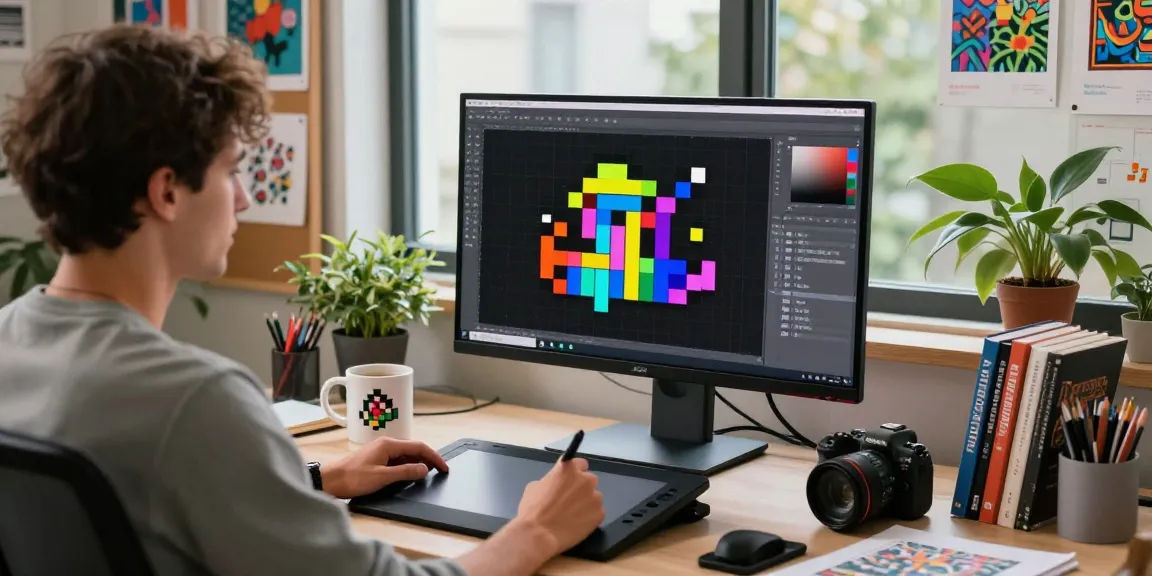
The evolution and enhancement of pixel art have been significantly bolstered by technological advancements. Tools and software designed for digital art have given artists the capability to create intricate pixel designs with ease. Additionally, the proliferation of platforms like social media and mobile gaming has broadened the audience for pixel art, creating opportunities for new creators to share their work. Online communities have also emerged, enabling collaboration and sharing of techniques that push the boundaries of pixel art creativity. As technology continues to advance, pixel art will adapt, introducing fresh possibilities for information displays and digital communication.
Key Features of Effective Pixel Art Information Displays
Creating an effective pixel art information display involves understanding core design principles that ensure clarity and engagement. Key features include simplicity, focus on color, and adaptability across various mediums, which are critical for enhancing user experience.
Design Principles for Clarity and Engagement
Clarity is paramount in effective pixel art information displays. Designers must ensure that the imagery is easily recognizable and that the information can be quickly understood. This can be achieved through minimalism—using fewer colors and simpler shapes to avoid clutter. The key is to balance aesthetics with functionality, allowing users to engage with the content effortlessly. Including interactive elements or animations can also enhance user engagement, making the display not only informative but also entertaining.
Color Theory and Its Impact on User Experience
Color theory plays a crucial role in pixel art design. The right color palette can evoke emotions, draw attention to important information, and enhance the overall user experience. Designers should consider using contrasting colors to highlight key messages while maintaining harmony to prevent overwhelming the viewer. Understanding color psychology can help in selecting hues that align with the message being conveyed, leading to a more impactful display.
Integration with Other Digital Media
Pixel art information displays can be integrated with other digital media forms, such as videos and animations, to create a cohesive storytelling experience. This integration allows for a dynamic presentation of information, breaking away from static displays. For instance, combining pixel art with augmented reality (AR) can transform user interactions, providing immersive experiences that educate and engage.
Applications of Pixel Art Information Displays Across Industries
Pixel art information displays find applications across multiple industries, each leveraging this artistic approach to fulfill specific goals. From entertainment to education, the versatility of pixel art enhances communication and engagement.
Gaming and Entertainment: Engaging Audiences
In the gaming industry, pixel art remains a popular choice for developers looking to evoke nostalgia while also appealing to modern aesthetics. Games such as "Stardew Valley" and "Celeste" utilize pixel art to create charming narratives that resonate with players. These visuals not only attract players but also contribute to the immersive storytelling that modern audiences crave. Beyond gaming, pixel art is used in various entertainment formats, including animated shorts and music videos, creating engaging visuals that capture viewers’ attention.
Marketing and Branding: Visual Storytelling
Many brands have turned to pixel art for their marketing and branding strategies. The pixel art style offers a unique way to visualize complex ideas and products, making them more accessible to consumers. Campaigns that utilize pixel art can tell visual stories that resonate emotionally, strengthening brand identity. Take, for instance, campaigns featuring pixel art infographics, which can make data and statistics both engaging and memorable for target audiences.
Education: Simplifying Complex Concepts
In the educational sector, pixel art serves as a valuable tool for simplifying complex concepts. Educational materials, such as interactive lessons and e-books, can use pixel art to illustrate ideas that might otherwise be difficult to grasp. By breaking down information into digestible visuals, educators can enhance learning experiences, making lessons both fun and informative.
Creating Your Own Pixel Art Information Displays
For aspiring artists and designers, creating pixel art information displays can be an exciting endeavor. Understanding the tools and processes involved is crucial for crafting compelling designs that communicate effectively.
Essential Tools and Software for Artists
A variety of tools and software exist today that cater to pixel artists. Programs like Aseprite, Pixelmator, and Piskel are popular choices among creators for their user-friendly interfaces and specific features designed for pixel art. Additionally, online platforms like Pixilart provide community support and resources for beginners looking to hone their skills.
Step-by-Step Guide to Designing Pixel Art
- Define Your Concept: Start by outlining the message you want to convey through your pixel art display.
- Choose Your Palette: Select a color palette that aligns with your concept. Limiting your colors can enhance clarity.
- Sketch a Rough Draft: Begin with a rough sketch of your design, focusing on the layout and main elements.
- Create the Pixels: Using your chosen software, start placing pixels according to your draft. Pay attention to detail and clarity.
- Refine and Iterate: Review your work, making necessary adjustments and improvements until you’re satisfied with the final piece.
Common Challenges and Solutions in Pixel Art Creation
Artists often face challenges such as maintaining clarity at small sizes or managing color choices. Solutions include regularly zooming in and out while working to check clarity and consistency, and using online color palette generators to find harmonious color combinations. Moreover, seeking feedback from fellow artists can provide new perspectives and suggestions for improvements.
Future Trends in Pixel Art Information Displays
As technology continues to advance, the future of pixel art information displays looks promising. Emerging technologies and community engagement will shape how pixel art evolves in the coming years.
Emerging Technologies Influencing Pixel Art
Innovations such as artificial intelligence and machine learning are beginning to influence pixel art creation. AI tools can analyze patterns in pixel art and offer suggestions for enhancements, streamlining the design process. Furthermore, the rise of virtual reality (VR) and augmented reality (AR) opens new avenues for pixel art to be experienced in immersive environments, creating interactive displays that engage users like never before.
Community and Collaboration in Pixel Art Development
Communities dedicated to pixel art foster collaboration and innovation. Platforms where artists can showcase their work, share techniques, and collaborate on projects amplify the impact of pixel art in the digital landscape. These communities also encourage mentorship, enabling seasoned artists to share insights with newcomers while exploring new styles and methodologies.
Predictions for Pixel Art in 2026 and Beyond
Looking ahead to 2026, pixel art information displays are likely to become even more integrated into digital communication. We can expect to see advancements in interactivity and personalization, where displays adapt to user preferences in real-time. Additionally, as nostalgia continues to drive design trends, pixel art will maintain its status as a beloved medium, evolving yet remaining true to its roots. The fusion of pixel art with new technologies will create unique opportunities for artists and companies alike, ensuring that this art form continues to flourish in the digital world.